
Astronomers Discover New Kind of Black-Hole Explosion
Image
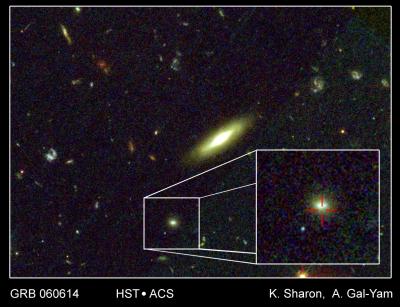
Hubble Space Telescope image of the host galaxy of the "hybrid gamma-ray burst" GRB 060614 (centered in the small box).
Taking Nanolithography Beyond Semiconductors
Image
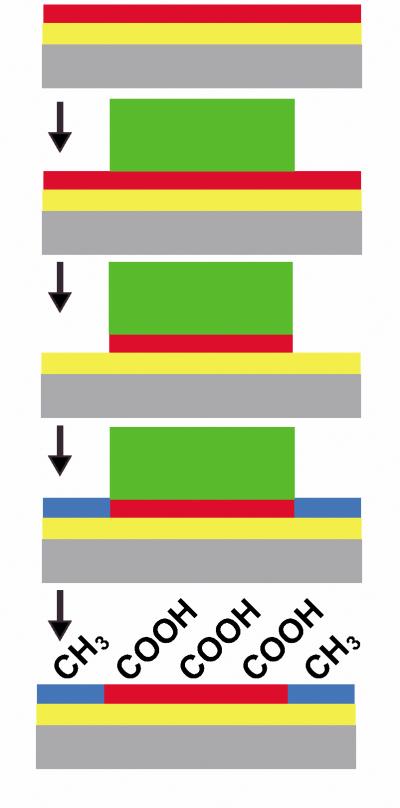
A new technique of chemical patterning developed at Penn State combines conventional lithography with molecular self-assembly for the creation of multifunctional surfaces.
New Technique Studies How Plastic Solar Cells Turn Sunlight into Electricity
Image
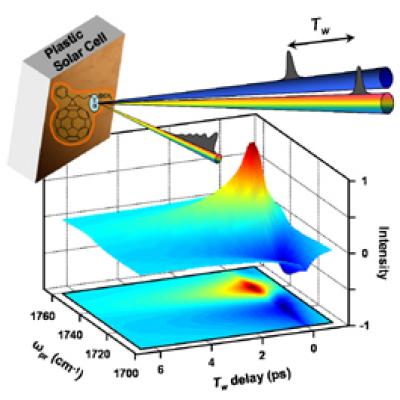
A plot of the wavelength of emitted infrared light vs. the time delay of the light emission provides information about the path of an electron within a plastic solar cell. This information about how the cell makes an electric current from light will lead to improvements in the efficiency and usable lifetime of solar cells.
Research Yields New Insights into the Cause of Diabetes
Image
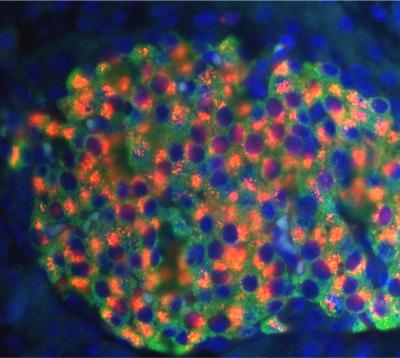
The insulin-secreting beta cells (green) normally exhibit a perinuclear cap of proinsulin (orange in top panel) whereas proinsulin is spread throughout the cytoplasm (orange in bottom panel) in many beta-cells of PERK-deficient mice, which are diabetic because of insufficient secretion of insulin.
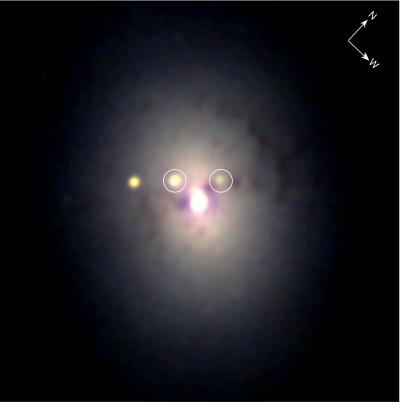
Twin Star Explosions Fascinate Astronomers
Image
Credit: NASA/Swift/Stefan Immler
Dragonfly's Metabolic Disease Provides Clues about Human Obesity

Image
Penn State researchers studied the dragonfly, Libellula pulchella, and discovered that a supposedly harmless parasite triggers metabolic disorders similar to those found in humans afflicted with insulin resistance, type 2 diabetes, and obesity. Credit: Ruud Schilder
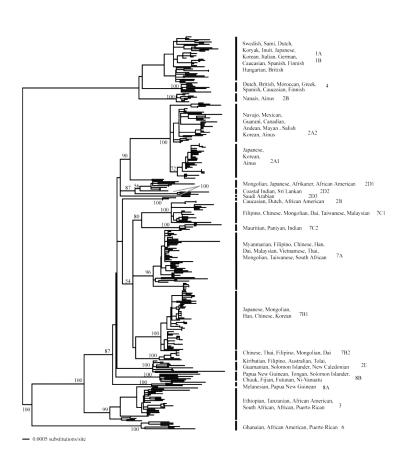
Viral Marker of Human Migration Suspect
Image
Viral Marker of Human Migration Suspect
Ultraviolet Light Reveals Secrets of Nanoscale Electronic Materials
Image
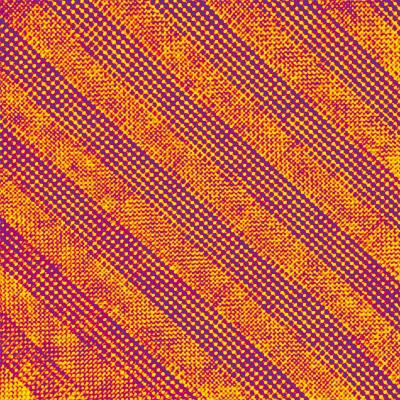
In this diagonally striped picture, the distance between each line is about 0.4 nanometers and each of the bands is several nanometers.
Better Way Found to Locate DNA Packing Proteins in Genome
Astronomers See Inside a Quasar for the First Time
Image
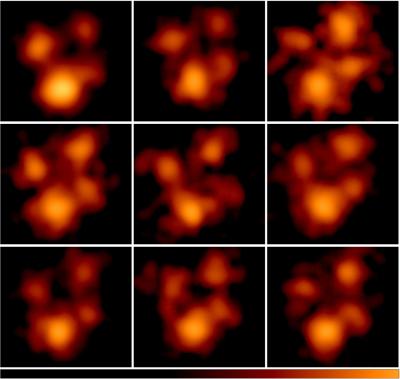
A mosaic of X-ray images of the quasar Q2237+0305, magnified by a gravitational lens. The bright spots are four magnified images of the same quasar, which change in brightness over time. Credit: C.S. Kochanek, Ohio Sate University
Subscribe to Research