Life Sciences

Viruses up their game in arms race with immune system
Image
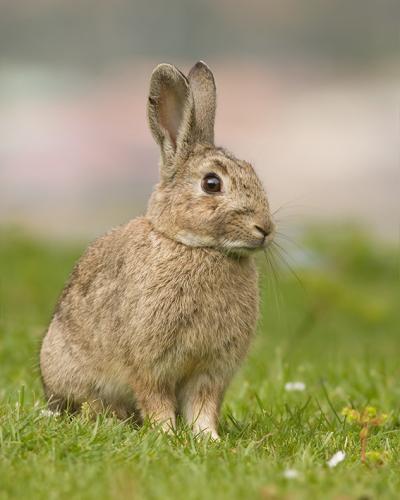
European rabbit in Australia. The myxoma virus was introduced to control the population of rabbits in Australia in 1950, initiating an evolutionary arms race between the virus and the rabbit's immune system. Credit: JJ Harrison, CC BY-SA 3.0
Three Penn State researchers receive scientific grants from Kaufman Foundation
Image
James Marden, Scott Medina and Mikael Rechtsman
New, more sensitive sensor for evaluating drug safety
Image
Image of cells expressing the AgHalo sensor before (left) and after (right) cellular stress. The AgHalo sensor is turned on when misfolded proteins begin to aggregate and provides a quantitative measure of cellular stress that can be used to evaluate drug safety. Credit: Yu Liu, Penn State University
Antibodies may reveal timing of previous influenza infection
Image
Graduate students Nguyen Ha Thao Vy (left) and Tran Thi Nhu Thao of the Oxford University Clinical Research Unit in Ho Chi Minh City, Vietnam, perform protein microarray analysis to identify influenza antibodies in human blood. New research reveals that these antibodies may provide insight into the timing of previous H1N1 influenza infections. Credit: Oxford University Clinical Research Unit
Postdoc Society names 2017 Outstanding Mentor and Outstanding Postdoc awardees
Image
Suvrath Mahadevan and F. Joseph Pollock. Credit: Penn State
Newly Described Algae Species Toughens Up Corals to Endure Warming Oceans
Image
Healthy unbleached (brown) Pocillopora corals from the Eastern Pacific possess a thermally tolerant symbiont species of algae (Symbiodinium glynnii), while unhealthy or dead bleached (white) corals possess a more sensitive symbiont.
Malaria parasites sense and adapt to their host’s nutritional status
Image
Malaria parasites replicate into many daughter cells inside red blood cells. The red blood cells eventually burst (cell on the left), allowing the parasites to infect new red blood cells. In hosts with reduced calorie intake, fewer daughter cells are produced per round of replication, decreasing the severity of the infection and potentially allowing the host to survive longer. Credit: Maria Mota Laboratory, iMM Lisboa
Genes, Ozone, and Autism: Increased risk for autism when genetic variation and air pollution meet
Image
Genes, Environment, and the Risk for Autism: Environment factors (ozone) can interact with genetic factors (copy number variation) to produce an even higher risk for autism than expected by adding the two risk factors, one that might not be found by studying the factors independently. Credit: Penn State University
Potential new target for antimalarial drugs identified
Image
A colorized electron micrograph of a malaria-causing Plasmodium parasite (right) attaching to and invading a human red blood cell. The inset shows the attachment point at higher magnification. Credit: National Institute of Allergy and Infectious Diseases, NIH
Research expedition continues monitoring impact of Deepwater Horizon oil spill on deep sea corals
Image
Deepwater coral covered in oil and dispersant. Credit: ECOGIG and Penn State (2010)
Subscribe to Life Sciences