Life Sciences

Critical Protein Discovered for Healthy Cell Growth in Mammals
Image
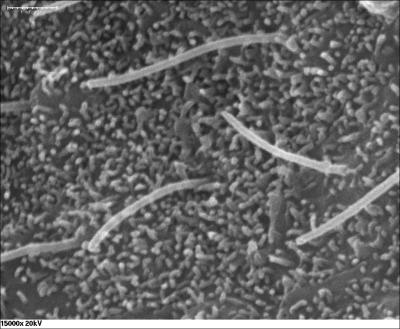
Using mouse models, Penn State cellular biologist Aimin Liu and his colleagues discovered a protein that is required for the growth of critical, hair-like structures called cilia on cell surfaces. The cilia on a mouse embryo, shown in this micrograph, would not be able to grow without the protein C2cd3. Credit: Aimin Liu Lab, Penn State University.
"Strategies for Survival on Planet Earth" is the Theme of the 2014 Penn State Lectures on the Frontiers of Science
Image
Strategies for Survival on Planet Earth poster
Booker Named a Fellow of the American Association for the Advancement of Science
Image
Squire J. Booker
Bjørnstad Named a Fellow of the American Association for the Advancement of Science
Image
Ottar Bjornstad
A New Pathway for Neuron Repair is Discovered
Image
This image shows a single neuron in a whole animal 5 hours after dendrites were removed with laser surgery (left). The same cell was imaged at 48 hours and 96 hours after the dendrites were removed. At 48 hours (middle) a new dendrite arbor extends from the cell body, and by 96 hours the new arbor fills the entire space normally occupied by the cell. Credit: Melissa Rolls lab, Penn State University
DNA of Storied Plant Provides Insight into the Evolution of Flowering Plants, Study Finds
Image
Amborella male flowers. Photograph by Joel McNeal.
Brain Repair after Injury and Alzheimer's Disease: In vivo reprogramming of reactive glial cells into functional neurons
Image
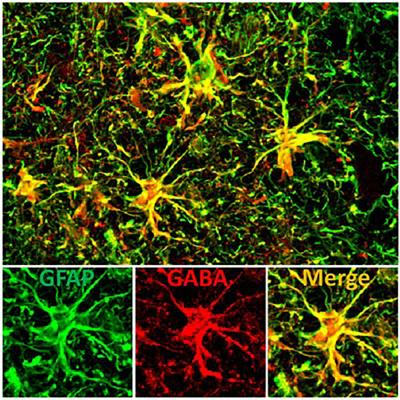
Researchers at Penn State University led by biologist Gong Chen have developed an innovative technology to regenerate functional neurons after brain injury, and also in model systems used for research on Alzheimer's disease.
The Origin of Flowers: DNA Study Provides Insight into the Evolution of Food Crops and Other Flowering Plants
Image
Amborella female flower.Photograph by Sangtae Kim.
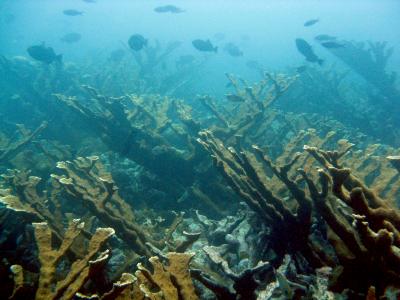
Marine Biologists Unmask Species Diversity in Coral Reefs
Image
Two corals (Porites sp.) growing side by side.The left colony is bleached: it appears white. During bleaching the partnership between symbiotic algae that live inside the coral cells and the coral host breaks down giving the coral a white appearance. The colony on the right is still green/brown and has a healthy population of symbionts living in its tissue. Photo credit: Iliana Baums, Penn State University.
New Tool Developed for Profiling Critical Regulatory Structures of RNA Molecules
Image
Arabidopsis thaliana, commonly known as mouse-ear cress. Credit: United States Department of Agriculture.
Subscribe to Life Sciences