
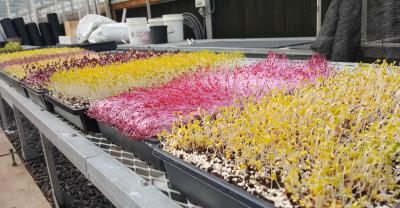
An interdisciplinary team of Penn State professors has received $3 million to study food resilience in the face of catastrophic events.
Research team to study food resilience in the face of catastrophic global events
Image
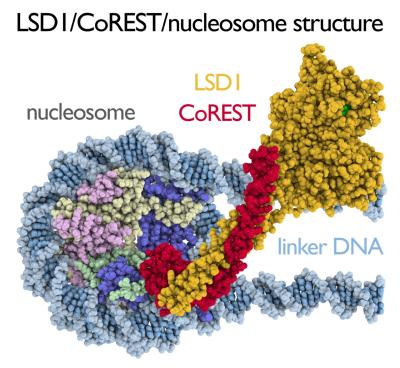
New image of a cancer-related enzyme in action helps explain gene regulation
Image
New images of an enzyme in action as it interacts with the chromosome could provide important insight into how cells regulate their genes.
Larger streams are critical for wild brook trout conservation

Image
Brook trout need big streams.
Online science outreach helps fill a void during COVID-19 quarantine

Image
Penn State’s Center for Nanoscale Science releases a new website full of family-friendly, at-home science experiments
New recommendations for designing animal studies could improve research reproducibility

Image
New recommendations for the design of animal studies could improve reproducibility of scientific results.
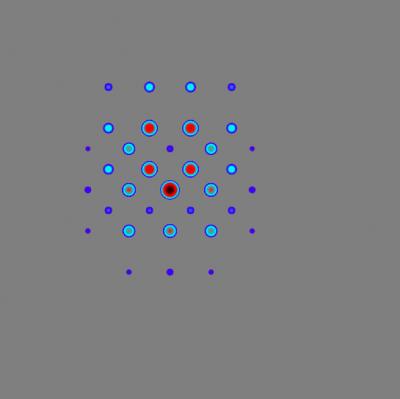
Geometry of intricately fabricated glass makes light trap itself
Image
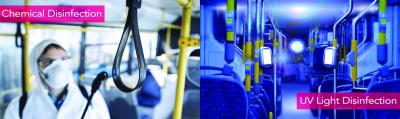
Killing coronavirus with handheld ultraviolet light device may be feasible
Image
A personal, handheld device emitting high-intensity ultraviolet light to disinfect areas by killing the novel coronavirus is now feasible.
COVID-19 antibody testing. What is it good for?
Image
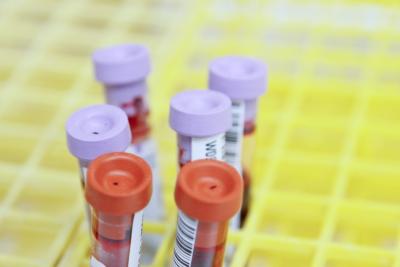
Antibody tests available today are good enough to inform decisions about public health, including when to relax interventions.
COVID-19 Data 4 Action Project will help inform local decision-making

Image
A new project gives voice to community members about their experience with the COVID-19 pandemic, which may influence local decision-making.
The COVID-19 pandemic affects all college students, but probably not equally

Image
Mapping the varied challenges faced by students, particularly from underrepresented groups, during the COVID-19 pandemic.