
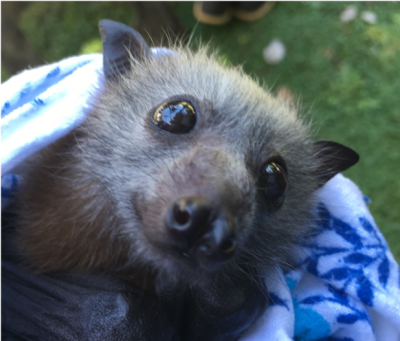
Eberly biologists use satellites to monitor bat habitat and study virus spillover events during a global pandemic.
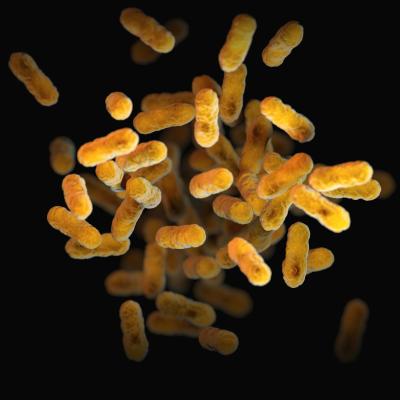
New tool weighs costs and benefits of managing evolution of pathogens and pests
Image
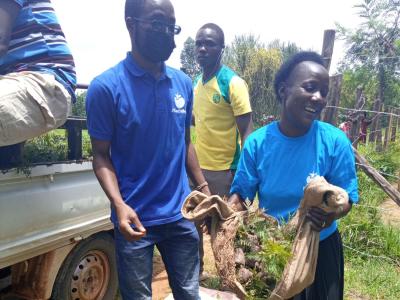
Hopper-Dean family helps combat global hunger with PlantVillage matching fund
Image
Going gold: Chemists and engineers to investigate using gold as catalyst in hydrogenation

Image
Remote Research, Remotely
Image
Quasars, Black Holes, and a Cosmological Conundrum

Image
A quest for the origin of the most-distant quasars in the early universe
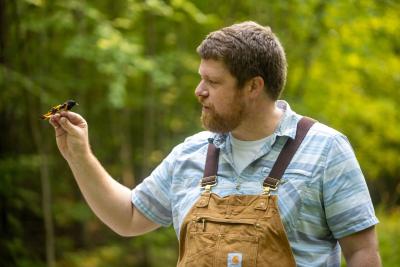
Secrets of the Warbler Genome
Image
Penn State biologist David Toews uses genetic tools to understand warbler evolution and diversity.
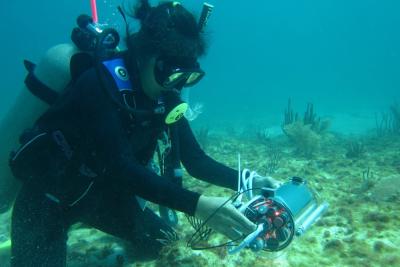
A World of Aquatic Discovery
Image
Penn State’s Scientific Diving Program enables amazing underwater research that spans the globe
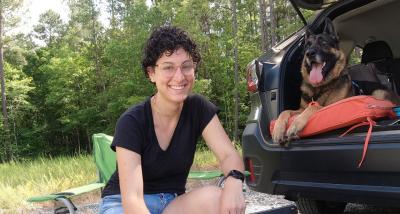
Grad School: The Pandemic Year
Image
Penn State graduate students reflect on how the pandemic changed their research routines.
Penn State launches Center for Neurotechnology in Mental Health Research

Image
Several researchers at Penn State will contribute to the new Center for Neurotechnology in Mental Health Research.
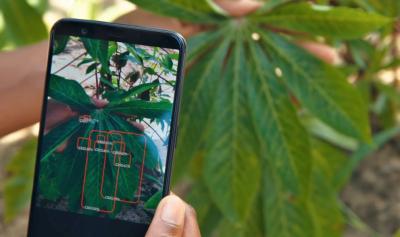
Penn State awarded nearly $39M for global research on threats to crops
Image
Penn State's PlantVillage app will expand with a $40 million grant from USAID.