
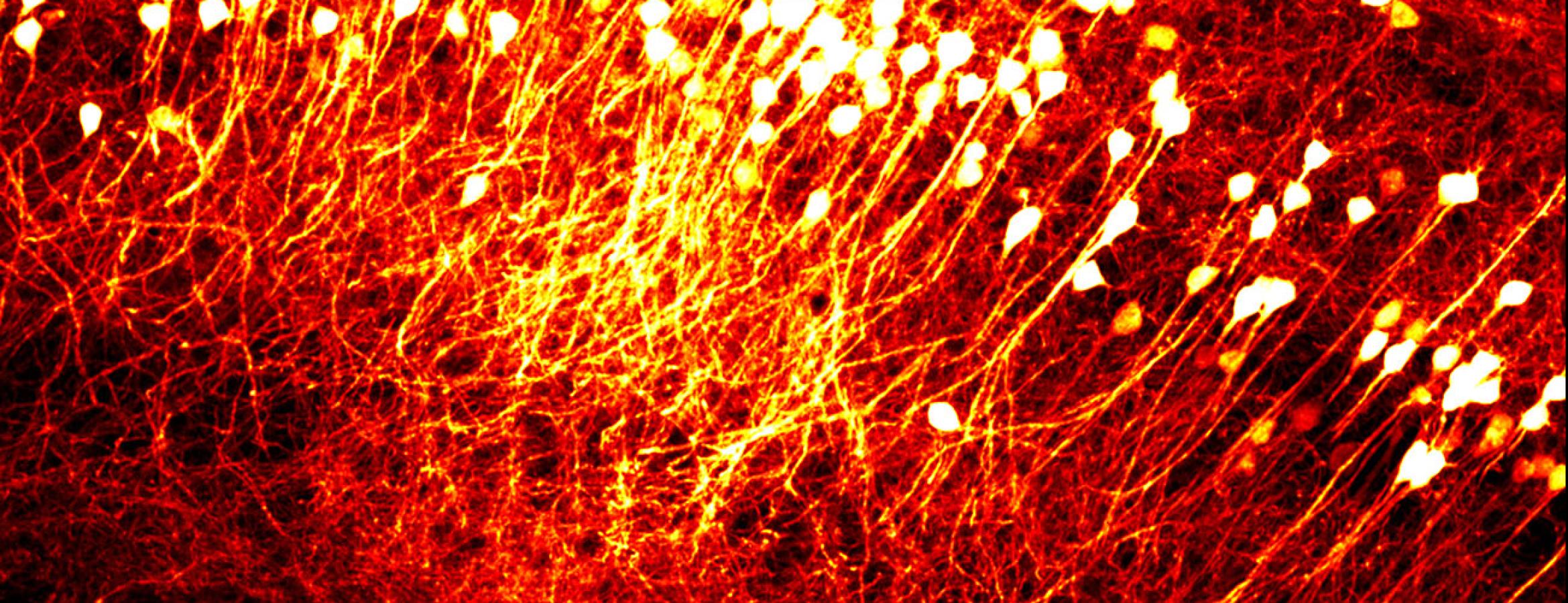
I study neuroscience because…




In honor of Brain Awareness Week, which is from March 16 to 22, we asked five faculty members in the Eberly College of Science why they study neuroscience.
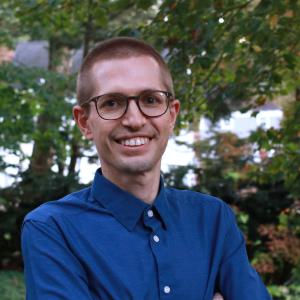
Michael Hanna
Michael Hanna, assistant professor of biochemistry and molecular biology, is a cell biologist who studies how cellular mechanisms can play a role in reducing damage to lysosomes, which act as the cell’s garbage disposal and recycling system.
“Lysosome disfunction is increasingly implicated in neurological and immunological diseases as well as an ever-growing list of over 60 lysosomal storage disorders,” said Hanna. “In the future we hope to apply our understanding of these cellular mechanisms to possible therapeutics to help to limit or repair lysosomal damage.
Nicole Lazar
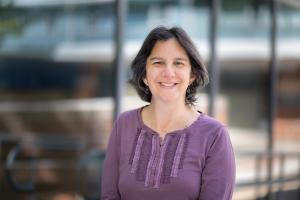
As professor and department head of statistics, Nicole Lazar works on developing statistical methods to analyze function magnetic resonance imaging, or fMRI. fMRI is a way of imaging the brain while it’s in action.
According to Lazar, the data that she works with gives her the opportunity to ask different statistical questions and develop methods to answer those questions.
“The ultimate goals are to understand different disease states, understand what happens to the brain as we age, and potentially to find some cures for disease or to help people as they age,” said Lazar.
Melissa Rolls
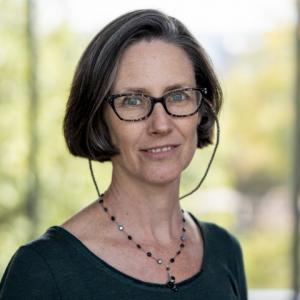
“I study neuroscience because I am interested in how neuronal cells, cells that make up the nervous system in the brain, can stick around for an entire life,” said Melissa Rolls, Paul Berg Professor of Biochemistry and Molecular Biology. “Unlike other cells in the body, neurons cannot be replaced. You have one set of neurons your entire life.”
By studying neuronal cells from a cell-biology perspective and using fruit flies as a model system, Rolls aims to understand how those cells stay healthy for a person’s lifetime as well as what happens when things go wrong.
“Our goal is to provide the foundational knowledge that other people can build on to develop therapies or mitigate long-term neuronal damage,” Rolls added.
Carly Schissel
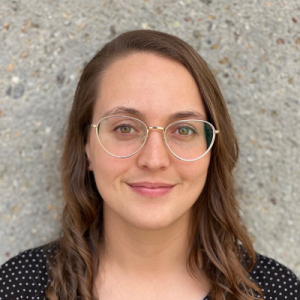
Carly Schissel, assistant professor of chemistry, works at the intersection of chemistry and biology. She focuses on the discovery, design, and synthesis of bioactive peptides, short chains of amino acids that have specific functions in the body, with potential therapeutic applications.
“By exploring how these peptides can access the brain and engage G protein-coupled receptors — protein receptors that are key in signaling our thoughts, feelings, and responses to the world around us — we hope to contribute tools and insights that advance both fundamental synthetic design and the future of brain‑targeted medicines,” said Schissel.
Grayson Sipe
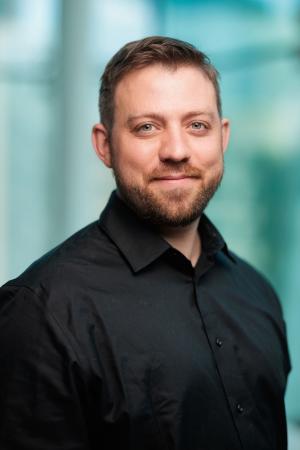
Grayson Sipe, assistant professor of biology, studies how the brain processes different types of behavioral states that affect sensory processing.
“In my group we are curious about how these states become disrupted by mental health conditions, such as post-traumatic stress disorder,” said Sipe.
By understanding how states are disrupted, Sipe hopes to better help treat these conditions via personalized medicine, reducing the likelihood that patients try self-medicating with potentially harmful substances.