
2026: Unexpected Pairings
Zoom Webinar Option
We hope you can join us in person on campus, but if you're in a different location, please join us remotely on our zoom webinar:
The 2026 Ashtekar Frontiers of Science lecture series will explore how researchers in the Eberly College of Science approach some of today’s biggest societal questions using different approaches. The 2026 lecture series brings together researchers from disparate disciplines to showcase how faculty from across the college’s seven departments leverage wide-ranging methodologies and theoretical approaches to tackle pressing scientific issues and help shape the future of science, health, and humanity.
Each of the six lectures held on consecutive Saturdays will feature two high-level overview talks focused one overarching topic that correlates to a big societal questions that drive research in the college. Attendees of the lectures will hear from researchers on topics including origins, medicine, resources, materials, climate, and education.
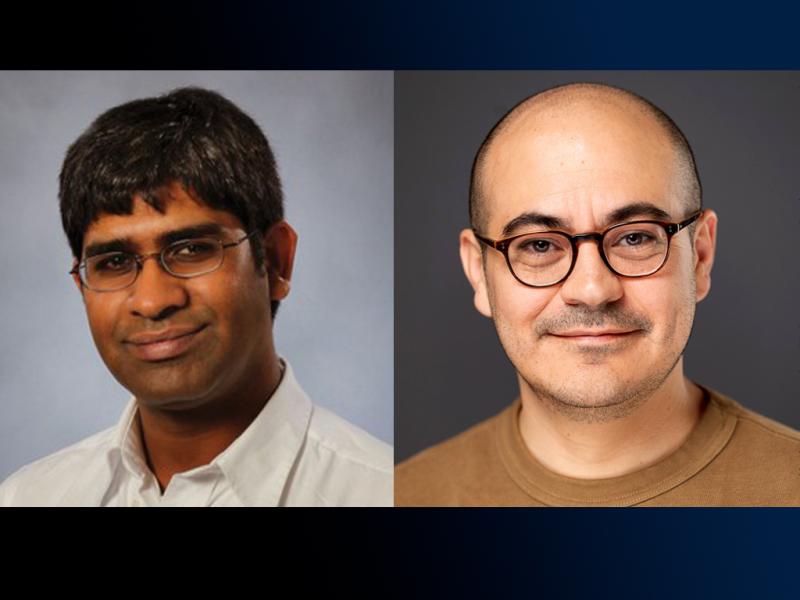
Origins
January 24, 2026
Suvrath Mahadevan and Tom Stewart
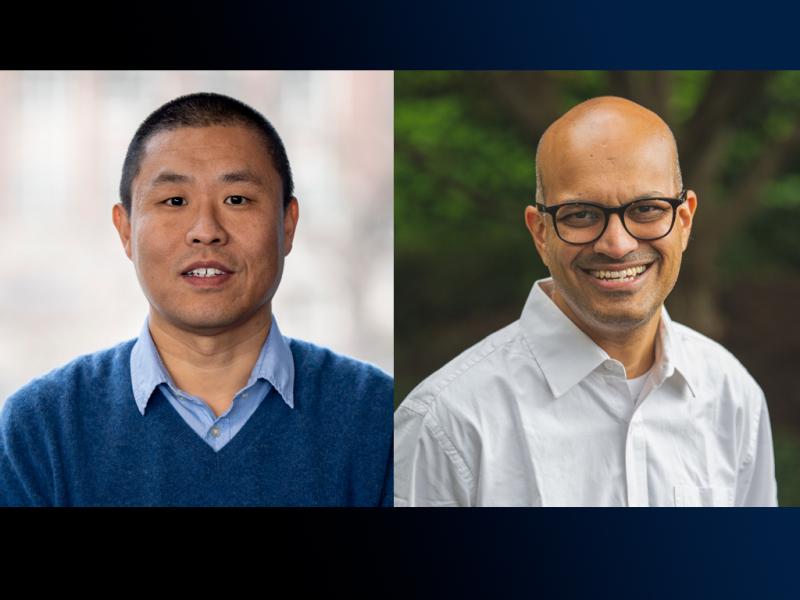
Medicine
January 31, 2026
Wenrui Hao and Santhosh Girirajan

Climate
February 7, 2026
Helen Greatrex and John Harlim
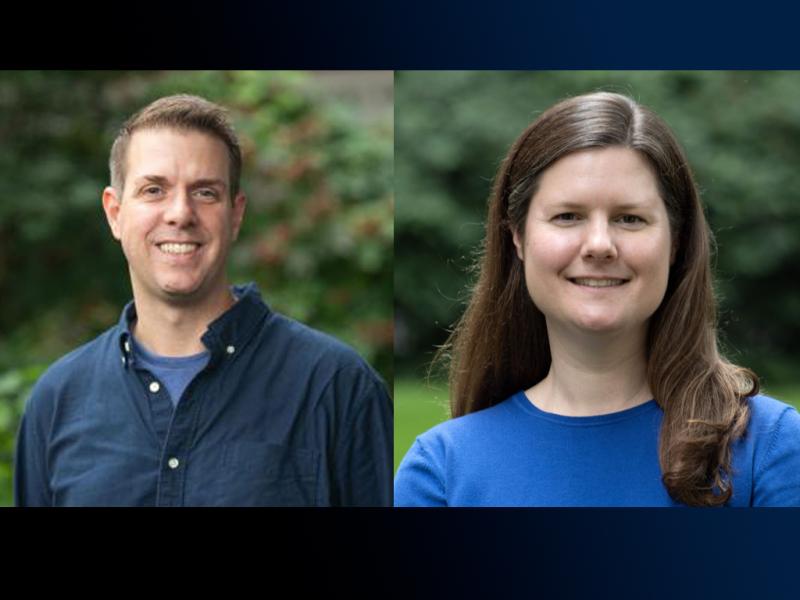
Materials
February 14, 2026
Bryce Gadway and Danielle Hickey
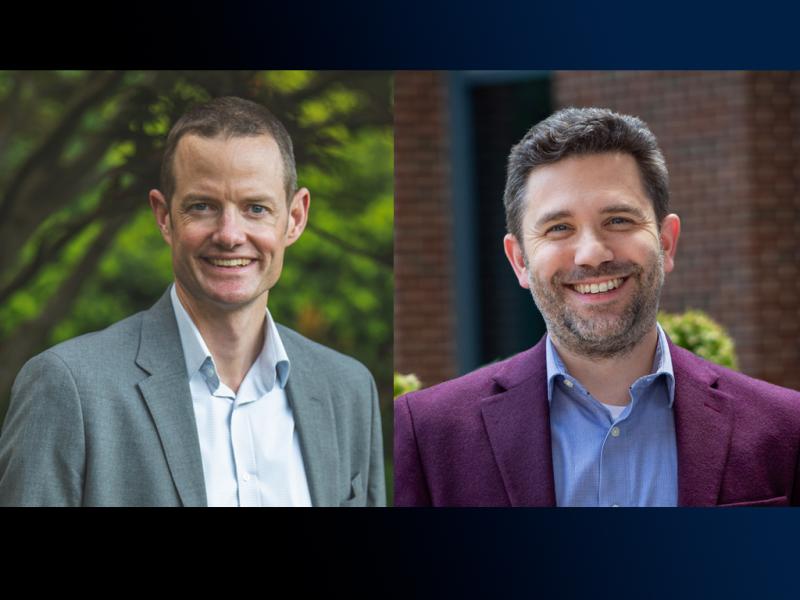
Resources
February 21, 2026
Charlie Anderson and Joey Cotruvo

Education
February 28, 2026
Matthew Beckman and Jennelle Malcos
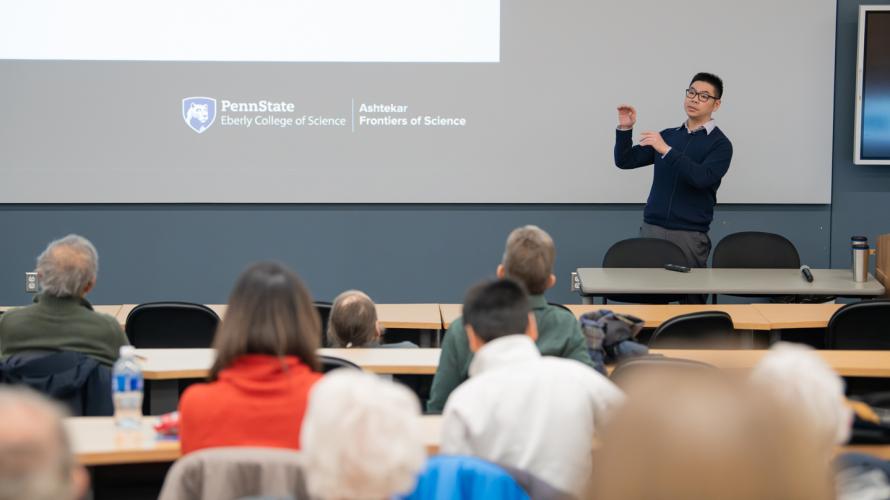
Saturday mornings January 24 through February 28, 2026, from 11:00 a.m. to 12:30 p.m.
Lectures will be held in 001 Chemical and Biomedical Engineering Building.

The lecture series was founded by Abhay Ashtekar, founding director of the Institute for Gravitation and the Cosmos and a member of the National Academy of Sciences. It owes its success to Barbara Kennedy, who presided over the series during its first 25 years, making it one of the most successful science outreach events in central Pennsylvania.

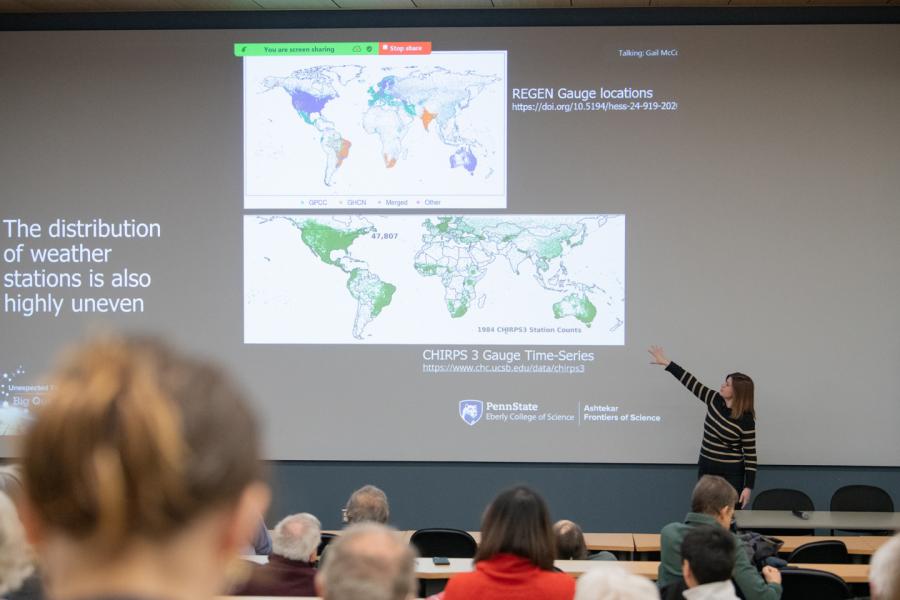
Ashtekar Frontiers of Science Newsletter
Sign up for our Ashtekar Frontiers of Science electronic newsletter to stay up to date.
The Pennsylvania State University encourages qualified persons with disabilities to participate in its programs and activities. If you anticipate needing any type of accommodation or have questions about physical access provided, please email sci-comm@psu.edu in advance of your participation or visit.
The University is committed to equal access to programs, facilities, admission, and employment for all persons. It is the policy of the University to maintain an environment free of harassment and free of discrimination against any person because of age, race, color, ancestry, national origin, religion, creed, service in the uniformed services (as defined in state and federal law), veteran status, sex, sexual orientation, marital or family status, pregnancy, pregnancy-related conditions, physical or mental disability, gender, perceived gender, gender identity, genetic information, or political ideas. Discriminatory conduct and harassment, as well as sexual misconduct and relationship violence, violates the dignity of individuals, impedes the realization of the University’s educational mission, and will not be tolerated. Direct all inquiries regarding nondiscrimination policy to the Affirmative Action Office, The Pennsylvania State University, 328 Boucke Building, University Park, PA 16802-5901; Email: aao@psu.edu; Tel: 814-863-0471.
U.Ed. SCI 21-21